Termite Treatment in Adelaide: The Complete Guide
Everything Adelaide homeowners need to know about termite treatment adelaide: methods, cost drivers, warranties and how to pick the right approach for your home.
Key takeaways
- Termite treatment in Adelaide uses 2 core methods: a chemical soil barrier around the foundation or a bait station system placed around the perimeter, and many homes get both.
- Expect a licensed technician to inspect first, then treat, then schedule a follow-up check within 12 months as part of most warranty terms.
- Older Adelaide bluestone and double-brick homes need different barrier approaches to newer slab-on-ground builds because subfloor access and weep holes change how the chemical zone is applied.
- A written warranty of at least 5 years and evidence of a current pest licence are non-negotiable before any treatment goes ahead.
- Cost in Adelaide typically sits between $1,200 and $4,500 depending on method, home size and site access, with baiting systems costing more upfront due to ongoing monitoring.
Termite treatment in Adelaide means installing a chemical soil barrier around your home's foundation, a bait station system around the perimeter, or both, carried out by a licensed pest technician after an inspection confirms activity or risk. The right method depends on your home's construction, not a one-size-fits-all product, which is why the inspection step matters as much as the treatment itself.
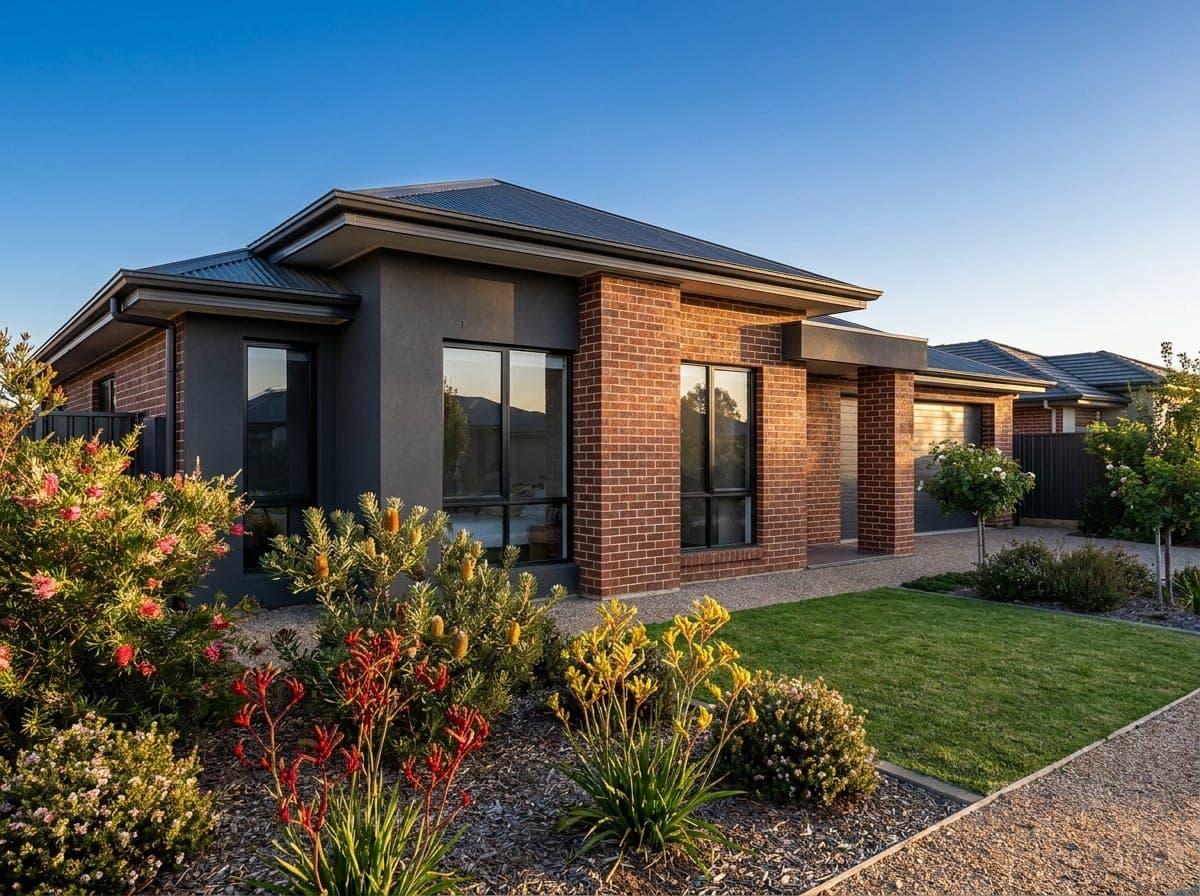
Adelaide sits in one of the more termite-active parts of the country. The Adelaide Hills, the eastern suburbs backing onto reserve land, and older housing stock built before modern termite management codes all carry higher exposure than newer slab-on-ground estates. That context shapes almost every decision in this guide, from which treatment method suits your home to how urgently you should act once you spot warning signs.
The 2 main termite treatment methods used in Adelaide
Licensed technicians in Adelaide rely on 2 proven approaches, and understanding the difference before a technician arrives means you can ask better questions and avoid being sold a method that does not suit your home.
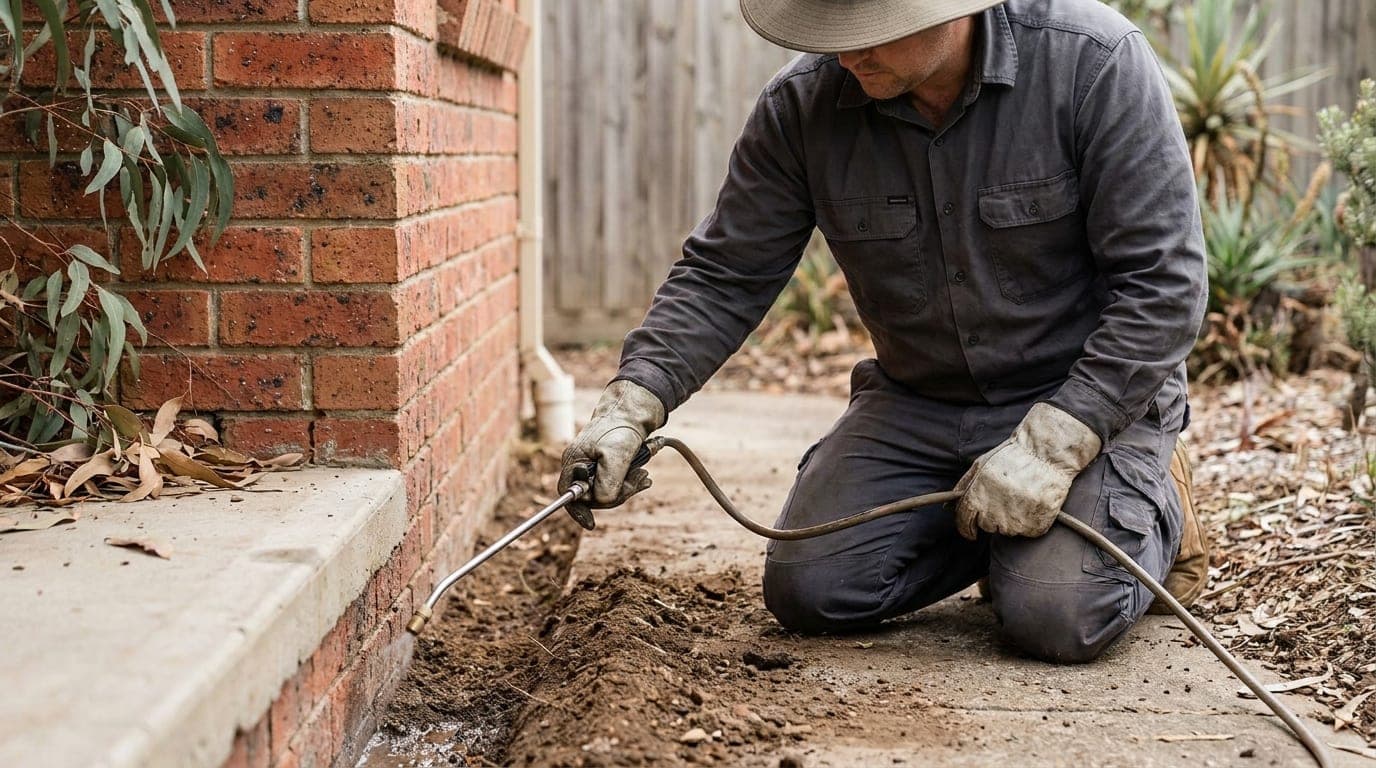
Chemical soil barrier treatment creates a continuous treated zone in the soil around and under the structure. Termites cannot tunnel through it without picking up a lethal dose, which they then carry back to the colony. This is the more established method and tends to suit homes with good subfloor access, such as older Adelaide bungalows on stumps.
Baiting systems place discreet stations around the property perimeter, monitored on a schedule, that attract foraging termites to a slow-acting toxicant they carry back to the nest. Baiting suits homes where a continuous chemical barrier is hard to achieve, such as those with extensive paving, pools, or slab construction with limited access points.
For a full breakdown of how each method physically works, read How Termite Treatment Works: Chemical Barriers, Baiting and Dusting Explained. If you are trying to decide between the 2 for your specific property, Barrier vs Baiting: Which Termite Treatment Is Right for Your Adelaide Home walks through the decision factors in more detail.
What actually happens during a termite treatment
Homeowners are often more anxious about the process than the outcome. In practice, treatment day is unremarkable. A licensed technician will:
- Re-confirm the treatment plan from the inspection, including any areas needing localised attention.
- Trench and treat the soil around the foundation perimeter, or install and calibrate bait stations, depending on the agreed method.
- Check weep holes, expansion joints, and any subfloor access points where a barrier can be bridged if left untreated.
- Provide a treatment certificate and warranty documentation on completion.
The full step-by-step breakdown, including what to expect on the day and how long technicians are typically on site, is covered in What Happens During a Termite Treatment (Step by Step). Most Adelaide homes take half a day to a full day depending on perimeter length and subfloor access.
One thing specific to Adelaide's older housing stock: double-brick and bluestone homes built before the 1980s often have weep holes at ground level that were never designed with termite management in mind. A generic barrier treatment that ignores these gaps is a common failure point we see when homeowners get a second opinion after a treatment done elsewhere did not hold. Any technician quoting on one of these homes should be inspecting every weep hole and expansion joint individually, not just running a standard trench line.
How long treatment takes to work and how you will know
Chemical barriers start working immediately in the sense that any termite crossing the treated zone is exposed, but visible colony elimination takes weeks. Bait stations work on a longer timeline, often 3 to 6 months, because termites need to forage into the station, feed, and carry the toxicant back before colony numbers decline.
If you want the specifics on timeframes for each method, see How Long Does Termite Treatment Take to Work?. And if you have already had treatment done and are watching for results, Signs Your Termite Treatment Is Working (and When to Call Back) sets out what normal post-treatment activity looks like versus what should prompt a follow-up call.
Is it safe for kids, pets and the household
This is the question we get asked most often, and the answer is straightforward: modern termiticides used in Australia are applied in a targeted, non-broadcast way (soil injection or contained bait stations), and licensed technicians follow application rates set by the Australian Pesticides and Veterinary Medicines Authority. You do not need to vacate the property, and pets can generally stay in the yard once any short drying window has passed, which the technician will specify on the day. Full detail on this is in Is Termite Treatment Safe for Kids and Pets?
For homeowners who want the regulatory backdrop, the APVMA is the government body that registers and controls agricultural and veterinary chemicals in Australia, including the termiticides used in residential treatment.
Warranties: what should be in writing before work starts
A termite treatment without a warranty is not a finished job, it is a gamble. In South Australia, reputable treatments come with a written warranty, typically 5 to 8 years for chemical barriers, that covers retreatment if termite activity recurs within the covered structure. Baiting systems are usually covered by an ongoing service agreement rather than a fixed-term warranty, since the stations are actively monitored.
Before any technician starts work, get the warranty terms in writing: what is covered, what voids it (renovations that disturb the barrier are the most common voiding event), and what the renewal process looks like. Termite Treatment Warranties in South Australia: What Is Covered goes through the fine print most homeowners miss, including the difference between a "treatment warranty" and a "damage warranty," which are not the same thing and are frequently confused at quote stage.
New builds and reticulation systems
If you are building or have recently built in Adelaide, termite protection is not optional. SA building regulations require a primary termite management system to be installed during construction, most commonly a chemical-treated zone or a physical/chemical combination barrier. Some new builds also install reticulation pipework, a network of tubing laid during slab construction that allows chemical to be re-injected around the perimeter every few years without excavation. This is worth asking your builder about directly, because retrofitting reticulation after the slab is poured is far more expensive than including it up front. Read Termite Reticulation Systems: Built-In Protection for New Builds for what to check before handover.
DIY treatment: why it usually fails
Hardware store termiticide and bait stations exist, and they will occasionally kill visible termites on contact. What they will not reliably do is treat the colony, which can hold tens of thousands of individuals and multiple queens depending on species. A DIY spray disturbs foraging termites without eliminating the nest, which often just redirects activity to an untreated part of the structure, buying you a false sense of security while damage continues elsewhere. DIY Termite Treatment vs Professional: Why It Usually Fails covers the specific failure points in more depth.
What treatment costs in Adelaide
Pricing depends on method, perimeter length, subfloor access and whether ongoing monitoring is included. As a general range, homeowners should expect $1,200 to $2,500 for a standard chemical barrier on a typical suburban block, and $2,000 to $4,500 for a baiting system with the first year of monitoring included. Larger blocks, difficult access, or homes needing both a barrier and internal spot treatment will sit at the higher end. For the full cost breakdown by method and home size, see the termite treatment cost guide.
Getting started
The right first step is always an inspection, not a treatment booking. An inspection confirms whether you have active termites, identifies conducive conditions around the property (moisture, timber contact with soil, mulch banked against the foundation), and determines which method actually suits your home's construction. From there, we connect you with a licensed Adelaide technician who can quote the specific termite treatment your property needs, with warranty terms confirmed before any work begins.
Adelaide's termite pressure is real but manageable. The homeowners who get burned are almost always the ones who either ignore early signs or accept the cheapest quote without checking what warranty and method it actually includes.
Ready to get quotes from licensed technicians?
Tell us about your problem and we match you with a vetted local operator. Free, no obligation.
Get free quotesFrequently asked questions
An inspection alone is the right first step if you have no visible activity but want an annual check. If you have seen mud tubes, damaged skirting boards or a termite swarm, treatment needs to happen alongside or shortly after the inspection, not instead of it.
Yes, in almost all cases. Chemical barrier and baiting treatments used in Adelaide are applied externally around the foundation, so the household continues as normal. The technician will confirm any specific area to avoid for a short drying period.
A chemical soil barrier typically lasts 5 to 8 years before it needs renewal, while a baiting system requires ongoing station checks every 3 to 12 months rather than a full redo. Your technician's warranty paperwork will state the exact renewal window for your property.
Barrier and baiting treatments are designed to intercept termites travelling from the soil into the structure and to eliminate the colony over time. Active infestations inside timber sometimes need a separate localised treatment first, which the licensed technician will identify at inspection.